So, you want to get your business’s name out there. More importantly, you want to get it in front of key decision-makers in your industry.
But what if your business is relatively small and you’re on a tight marketing budget? How do you make the right connections and get good brand mentions?
The answer is public relations (PR). Though PR may seem like something only for big brands, this isn’t true. Even small businesses can take advantage of PR strategies, and fortunately, they don’t require big marketing budgets.
In this article, we’ll go over what PR means and our top tips for improving your PR outreach at a minimal cost. Let’s get started!
PR refers to managing and maintaining a positive public image of your brand. Typically, this is done by seeking out positive exposure on media platforms that your target audience follows.
For example, PR could involve reaching out to a news outlet to do a story about your business, publishing a press release for a new product launch, pitching a story to an industry magazine, or featuring as a guest on an industry-relevant podcast. There are many ways to approach PR.
That said, PR is not to be confused with marketing. Both are concerned with building your business, but marketing is ultimately focused on boosting your bottom line by increasing revenue, whereas PR is primarily concerned with cultivating a good business reputation.
Public relations plays a critical role for small businesses that want visibility without draining their PR budget. Unlike paid advertising, public relations focuses on earned media coverage, which can help increase brand awareness and strengthen brand reputation over time. Even with a limited PR budget, small business PR efforts can generate meaningful results when backed by a clear public relations strategy.
For small businesses, affordable PR tactics like distributing press releases, using press release distribution, and leveraging digital PR tools can drive website traffic and build credibility with key stakeholders. When your PR efforts are aligned with your target audience, even modest PR campaigns can deliver measurable PR ROI.

Source: https://www.kochiesbusinessbuilders.com.au/wp-content/uploads/2022/02/public-relations.jpg
Now that you know what PR is, here are some tips to improve your PR outreach:
Before you start reaching out to media outlets, make sure your business has a good online presence. This means going over your business website, social media profiles, and other online accounts to make sure they look clean and professional. This is especially important for small businesses executing small business PR on a limited PR budget.
Get rid of any broken pages or links on your website and make sure you have a professional photo on your social media accounts and that you actively use them. There’s nothing that says your business is out of touch more than an outdated website or an unused social media account.
Another way to improve your online presence is to create a professional media kit. This is a small document that includes information about you and your company such as a bio and a professional photo. Include past media coverage, links to recent articles, company milestones, and notable company initiatives. By including your media kit every time you pitch a media outlet, you make it easy for media professionals, public relations professionals, and relevant journalists to cite and feature you.
If you’re planning a successful PR outreach campaign, having access to the right PR outreach tools can streamline the process and help you target the appropriate contacts. These tools make it easier to build strong media relations and establish credibility among PR professionals and the wider media industry. A polished website also supports your broader public relations strategy, strengthens brand reputation, and improves the performance of future PR campaigns.
Next, determine who you want your PR efforts to reach. In other words, who is your target audience and what media outlets do they follow most?
Defining your target audience is the foundation of a successful PR strategy. For example, if you own a fintech company, you may want to target business owners by pitching a news outlet like Forbes, Fast Company, for Business Insider. Or if you own a real estate business, you might aim for a feature in Inman or Housingwire.
Before launching PR campaigns, build a focused media list of journalists, bloggers, and relevant publications. The goal is to find out where your target market hangs out and get your company name talked about in those circles. If you’re not sure where your target market is, consider surveying your existing customers to find out.
Also, keep in mind that the definition of media is expanding. In addition to getting featured in traditional publications like the Wall Street Journal (WSJ) or the New York Times (NYT), you may want to target various social media platforms, blogs, and independent publications. Understanding the evolving media landscape ensures your public relations approach aligns with your target audience and maximizes your PR budget.
Whatever you do, make sure the outlets you reach out to serve your target market and cover what your business is about.
If some of the news outlets mentioned so far sound out of reach, that’s okay. You don’t have to start by pitching top newspapers. In fact, you probably shouldn’t. It takes time to cultivate good PR.
Instead, set realistic and manageable PR goals. Start by pitching smaller publications and then gradually work your way up to pitching bigger ones. You’re more likely to get in with bigger outlets if you already have some smaller media mentions.
A successful PR strategy requires clearly defined key performance indicators. These may include earned media coverage, growth in website traffic, backlinks, or brand mentions tracked in Google Analytics.
Using Google Analytics, you can measure referral traffic from press releases, evaluate campaign performance, and calculate PR ROI. Monitoring key performance indicators ensures your PR budget is allocated effectively.
Instead of launching multiple PR campaigns at once, focus your PR efforts on initiatives that align with your overall PR strategy. A good PR strategy prioritizes sustainable growth and long-term successful PR results.
Once you’ve established some realistic PR goals, you can work them into a long-term PR strategy.
Another way to get your company name out there is to share your expertise online. This could mean publishing valuable insights on your business’s blog or on social media. Contributing commentary on recent articles, publishing thought leadership, and engaging in social media commenting all support your public relations efforts.
For example, if you run a wealth management firm, you could post your top tips on how millennials can save for retirement. Or if you own a personal injury law firm, you might post about ways to win a car accident lawsuit. This is especially powerful for tech startups and knowledge-based small businesses.
The idea is to become a thought leader in your industry niche. That way, media outlets and public relations professionals will be more inclined to feature you (because you already have a following), and in some cases, they may even reach out to you, increasing your chances of earning additional media coverage and long-term successful PR increase.
When it comes to actually pitching media outlets, make sure you have a newsworthy story to tell with a unique angle. Media companies get pitched stories all the time, so yours needs to stand out to get their attention.
Focus on what makes your company unique but don’t forget to pitch a story that will be useful to the publication. Research their audience and what types of content they have published in the past. This will give you a clue as to what they’re looking for.
Company milestones, product launches, and broader company initiatives can become impactful press releases when framed strategically. A well-written press release improves your odds of securing meaningful media placements and increased media coverage.
Effective media outreach requires understanding your audience and the needs of the publication. This approach strengthens your overall public relations strategy and increases PR ROI.

If you’re having trouble finding media outlets to reach out to, there are many PR tools and resources out there that can help. Here are just a few:
On top of using social media to connect with journalists, you can use it to identify and build relationships with industry leaders. For example, you can use it to connect with influencers who may agree to advocate for your brand or sponsor one of your products. When executed properly, micro influencer partnerships enhance brand reputation and complement your broader public relations strategy.
Some PR campaigns include social media ads, while others rely on organic social media promotion and strategic social media commenting.
The beauty of using social media for PR is that it’s free. You don’t have to spend any money to get into the right circles. However, you will need to dedicate time and effort to being active on the platform. That’s true whether you’re using Twitter, Instagram, Facebook, or LinkedIn.
Whenever you do get media coverage, it’s important to share it. Highlight successful press releases, positive reviews, and notable media placements across your channels. For example, if you’re a guest on a podcast, share the link to the episode across social media. Or if your brand is featured in a news article, share it online and tag the outlet and journalist.
This not only helps spread your brand name online but helps strengthens your relationships with key stakeholders, media outlets, and journalists, who may then tap your shoulder for future features. Sharing coverage also boosts website traffic and improves long-term PR ROI.
If you haven’t been able to tell already, relationships are the foundation of successful PR. Consistent PR efforts aimed at supporting journalists and public relations professionals build trust over time. Without them, getting good press will be extremely difficult.
One way to improve your media relationships is to start building them early. Don’t wait until you get a feature in an article or podcast. Begin getting to know the right people now by offering your help and expertise. Take a value-first approach, where you give, give, give, and only ask once you have a reason to expect something in return. That way, you’re more likely to get the media features you’re after.
Participating in local event sponsorship opportunities is another effective small business PR tactic. Strategic local event sponsorship can generate additional media coverage, strengthen ties with your target audience, and improve overall brand reputation. This helps you get to know different people you may not otherwise meet and can lead to good PR opportunities.
Relationship-driven public relations helps maximize the impact of your PR budget and supports long-term successful PR outcomes.
Lastly, there’s no point in investing in a successful PR strategy if you don’t track your results. As the late Peter Drucker said, “You can’t improve what you don’t measure."
How do you measure PR results? Start by following the news and social media to see when your company name gets mentioned. Many platforms like Twitter allow you to track different keywords or hashtags, for example.
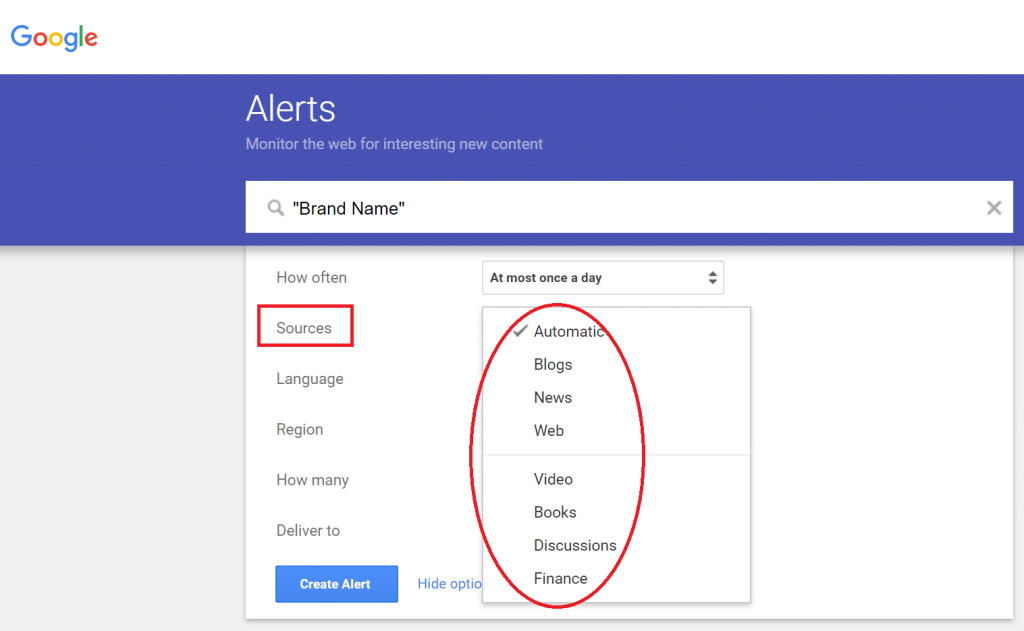
Another easy way to do this is to set up a Google Alert. This lets you collect online mentions of different keywords, such as your company name or industry, via daily or weekly emails.

Use Google Analytics to measure website traffic generated from press releases, media placements, and social media promotion. Reviewing Google Analytics reports allows you to evaluate key performance indicators such as engagement, conversions, and traffic sources.
Analyzing this data helps calculate PR ROI, optimize your PR campaigns, and allocate your PR budget more effectively. A data-driven PR strategy ensures your public relations efforts consistently deliver measurable growth.
The point is to track how often your brand is mentioned so you can see what is working in your PR strategy and what isn’t and then adapt.
If managing press releases, press release distribution, media outreach, and long-term PR campaigns sounds overwhelming, don’t worry. PR outreach can be challenging, especially when you’re just starting out. What you don’t want to do is blast as many PR pitches to as many outlets as you can think of. There are better ways.
To take your brand recognition to the next level, consider partnering with Digital.Marketing. We have established relationships with some of the internet’s top publications, and we can help get your company’s name featured in them in no time. Contact us today to learn more! We look forward to learning more about you and all your PR needs.

%201.svg)


So, you want to get your business’s name out there. More importantly, you want to get it in front of key decision-makers in your industry.
But what if your business is relatively small and you’re on a tight marketing budget? How do you make the right connections and get good brand mentions?
The answer is public relations (PR). Though PR may seem like something only for big brands, this isn’t true. Even small businesses can take advantage of PR strategies, and fortunately, they don’t require big marketing budgets.
In this article, we’ll go over what PR means and our top tips for improving your PR outreach at a minimal cost. Let’s get started!
PR refers to managing and maintaining a positive public image of your brand. Typically, this is done by seeking out positive exposure on media platforms that your target audience follows.
For example, PR could involve reaching out to a news outlet to do a story about your business, publishing a press release for a new product launch, pitching a story to an industry magazine, or featuring as a guest on an industry-relevant podcast. There are many ways to approach PR.
That said, PR is not to be confused with marketing. Both are concerned with building your business, but marketing is ultimately focused on boosting your bottom line by increasing revenue, whereas PR is primarily concerned with cultivating a good business reputation.
Public relations plays a critical role for small businesses that want visibility without draining their PR budget. Unlike paid advertising, public relations focuses on earned media coverage, which can help increase brand awareness and strengthen brand reputation over time. Even with a limited PR budget, small business PR efforts can generate meaningful results when backed by a clear public relations strategy.
For small businesses, affordable PR tactics like distributing press releases, using press release distribution, and leveraging digital PR tools can drive website traffic and build credibility with key stakeholders. When your PR efforts are aligned with your target audience, even modest PR campaigns can deliver measurable PR ROI.
Source: https://www.kochiesbusinessbuilders.com.au/wp-content/uploads/2022/02/public-relations.jpg
Now that you know what PR is, here are some tips to improve your PR outreach:
Before you start reaching out to media outlets, make sure your business has a good online presence. This means going over your business website, social media profiles, and other online accounts to make sure they look clean and professional. This is especially important for small businesses executing small business PR on a limited PR budget.
Get rid of any broken pages or links on your website and make sure you have a professional photo on your social media accounts and that you actively use them. There’s nothing that says your business is out of touch more than an outdated website or an unused social media account.
Another way to improve your online presence is to create a professional media kit. This is a small document that includes information about you and your company such as a bio and a professional photo. Include past media coverage, links to recent articles, company milestones, and notable company initiatives. By including your media kit every time you pitch a media outlet, you make it easy for media professionals, public relations professionals, and relevant journalists to cite and feature you.
If you’re planning a successful PR outreach campaign, having access to the right PR outreach tools can streamline the process and help you target the appropriate contacts. These tools make it easier to build strong media relations and establish credibility among PR professionals and the wider media industry. A polished website also supports your broader public relations strategy, strengthens brand reputation, and improves the performance of future PR campaigns.
Next, determine who you want your PR efforts to reach. In other words, who is your target audience and what media outlets do they follow most?
Defining your target audience is the foundation of a successful PR strategy. For example, if you own a fintech company, you may want to target business owners by pitching a news outlet like Forbes, Fast Company, for Business Insider. Or if you own a real estate business, you might aim for a feature in Inman or Housingwire.
Before launching PR campaigns, build a focused media list of journalists, bloggers, and relevant publications. The goal is to find out where your target market hangs out and get your company name talked about in those circles. If you’re not sure where your target market is, consider surveying your existing customers to find out.
Also, keep in mind that the definition of media is expanding. In addition to getting featured in traditional publications like the Wall Street Journal (WSJ) or the New York Times (NYT), you may want to target various social media platforms, blogs, and independent publications. Understanding the evolving media landscape ensures your public relations approach aligns with your target audience and maximizes your PR budget.
Whatever you do, make sure the outlets you reach out to serve your target market and cover what your business is about.
If some of the news outlets mentioned so far sound out of reach, that’s okay. You don’t have to start by pitching top newspapers. In fact, you probably shouldn’t. It takes time to cultivate good PR.
Instead, set realistic and manageable PR goals. Start by pitching smaller publications and then gradually work your way up to pitching bigger ones. You’re more likely to get in with bigger outlets if you already have some smaller media mentions.
A successful PR strategy requires clearly defined key performance indicators. These may include earned media coverage, growth in website traffic, backlinks, or brand mentions tracked in Google Analytics.
Using Google Analytics, you can measure referral traffic from press releases, evaluate campaign performance, and calculate PR ROI. Monitoring key performance indicators ensures your PR budget is allocated effectively.
Instead of launching multiple PR campaigns at once, focus your PR efforts on initiatives that align with your overall PR strategy. A good PR strategy prioritizes sustainable growth and long-term successful PR results.
Once you’ve established some realistic PR goals, you can work them into a long-term PR strategy.
Another way to get your company name out there is to share your expertise online. This could mean publishing valuable insights on your business’s blog or on social media. Contributing commentary on recent articles, publishing thought leadership, and engaging in social media commenting all support your public relations efforts.
For example, if you run a wealth management firm, you could post your top tips on how millennials can save for retirement. Or if you own a personal injury law firm, you might post about ways to win a car accident lawsuit. This is especially powerful for tech startups and knowledge-based small businesses.
The idea is to become a thought leader in your industry niche. That way, media outlets and public relations professionals will be more inclined to feature you (because you already have a following), and in some cases, they may even reach out to you, increasing your chances of earning additional media coverage and long-term successful PR increase.
When it comes to actually pitching media outlets, make sure you have a newsworthy story to tell with a unique angle. Media companies get pitched stories all the time, so yours needs to stand out to get their attention.
Focus on what makes your company unique but don’t forget to pitch a story that will be useful to the publication. Research their audience and what types of content they have published in the past. This will give you a clue as to what they’re looking for.
Company milestones, product launches, and broader company initiatives can become impactful press releases when framed strategically. A well-written press release improves your odds of securing meaningful media placements and increased media coverage.
Effective media outreach requires understanding your audience and the needs of the publication. This approach strengthens your overall public relations strategy and increases PR ROI.
If you’re having trouble finding media outlets to reach out to, there are many PR tools and resources out there that can help. Here are just a few:
On top of using social media to connect with journalists, you can use it to identify and build relationships with industry leaders. For example, you can use it to connect with influencers who may agree to advocate for your brand or sponsor one of your products. When executed properly, micro influencer partnerships enhance brand reputation and complement your broader public relations strategy.
Some PR campaigns include social media ads, while others rely on organic social media promotion and strategic social media commenting.
The beauty of using social media for PR is that it’s free. You don’t have to spend any money to get into the right circles. However, you will need to dedicate time and effort to being active on the platform. That’s true whether you’re using Twitter, Instagram, Facebook, or LinkedIn.
Whenever you do get media coverage, it’s important to share it. Highlight successful press releases, positive reviews, and notable media placements across your channels. For example, if you’re a guest on a podcast, share the link to the episode across social media. Or if your brand is featured in a news article, share it online and tag the outlet and journalist.
This not only helps spread your brand name online but helps strengthens your relationships with key stakeholders, media outlets, and journalists, who may then tap your shoulder for future features. Sharing coverage also boosts website traffic and improves long-term PR ROI.
If you haven’t been able to tell already, relationships are the foundation of successful PR. Consistent PR efforts aimed at supporting journalists and public relations professionals build trust over time. Without them, getting good press will be extremely difficult.
One way to improve your media relationships is to start building them early. Don’t wait until you get a feature in an article or podcast. Begin getting to know the right people now by offering your help and expertise. Take a value-first approach, where you give, give, give, and only ask once you have a reason to expect something in return. That way, you’re more likely to get the media features you’re after.
Participating in local event sponsorship opportunities is another effective small business PR tactic. Strategic local event sponsorship can generate additional media coverage, strengthen ties with your target audience, and improve overall brand reputation. This helps you get to know different people you may not otherwise meet and can lead to good PR opportunities.
Relationship-driven public relations helps maximize the impact of your PR budget and supports long-term successful PR outcomes.
Lastly, there’s no point in investing in a successful PR strategy if you don’t track your results. As the late Peter Drucker said, “You can’t improve what you don’t measure."
How do you measure PR results? Start by following the news and social media to see when your company name gets mentioned. Many platforms like Twitter allow you to track different keywords or hashtags, for example.
Another easy way to do this is to set up a Google Alert. This lets you collect online mentions of different keywords, such as your company name or industry, via daily or weekly emails.
Use Google Analytics to measure website traffic generated from press releases, media placements, and social media promotion. Reviewing Google Analytics reports allows you to evaluate key performance indicators such as engagement, conversions, and traffic sources.
Analyzing this data helps calculate PR ROI, optimize your PR campaigns, and allocate your PR budget more effectively. A data-driven PR strategy ensures your public relations efforts consistently deliver measurable growth.
The point is to track how often your brand is mentioned so you can see what is working in your PR strategy and what isn’t and then adapt.
If managing press releases, press release distribution, media outreach, and long-term PR campaigns sounds overwhelming, don’t worry. PR outreach can be challenging, especially when you’re just starting out. What you don’t want to do is blast as many PR pitches to as many outlets as you can think of. There are better ways.
To take your brand recognition to the next level, consider partnering with Digital.Marketing. We have established relationships with some of the internet’s top publications, and we can help get your company’s name featured in them in no time. Contact us today to learn more! We look forward to learning more about you and all your PR needs.

.svg)


.png)