
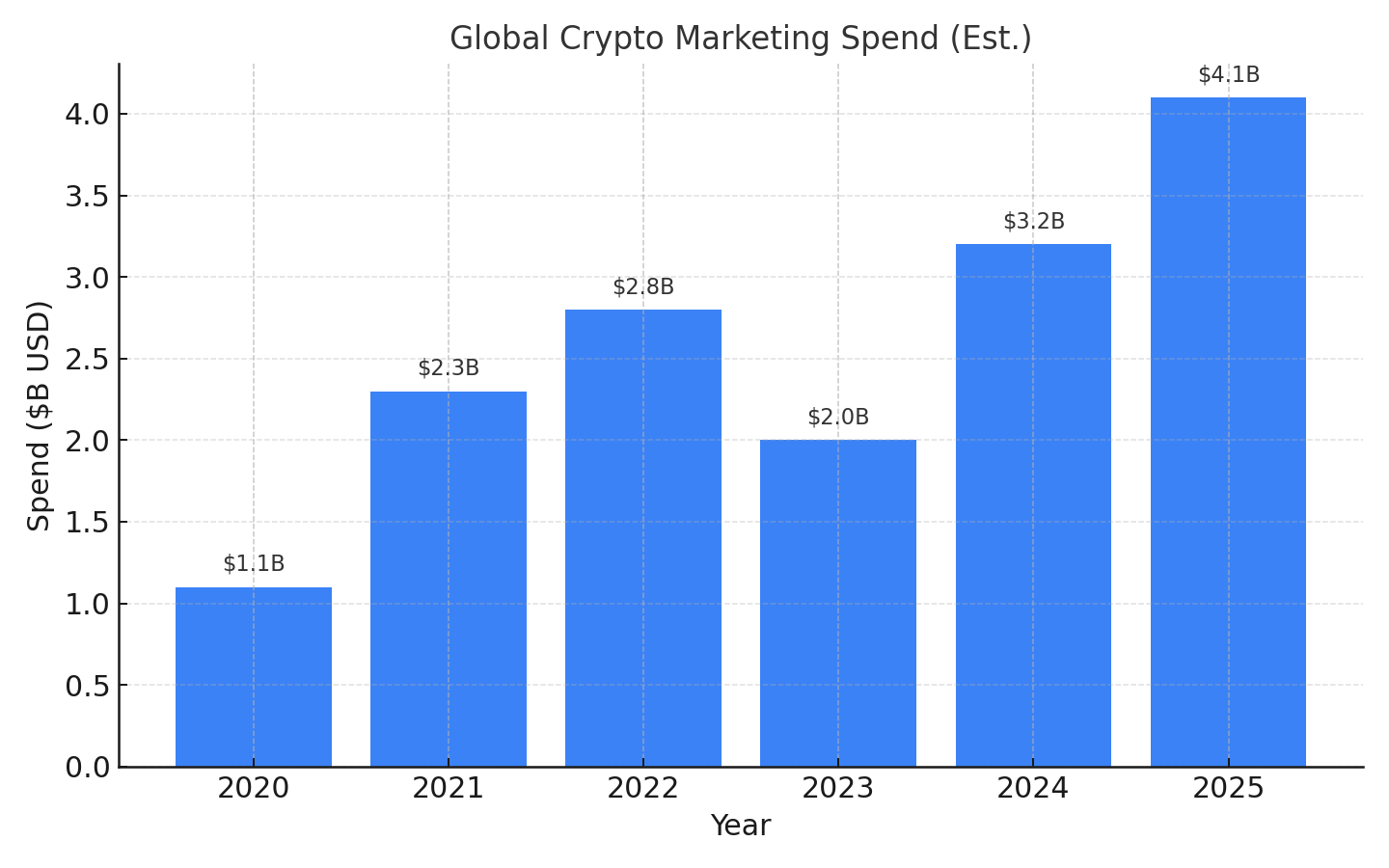
Cryptocurrency digital marketing has re-entered a high-stakes, high-visibility phase. With the global market cap pushing toward $4 trillion and institutional flows increasing via spot Bitcoin ETFs—now holding $145 billion in AUM as of August 2025 ([Bitbo])—crypto brands are seeing stronger upper-funnel momentum across both retail and institutional segments.
However, despite surging adoption, public confidence remains mixed. Only 17% of U.S. adults report having invested or used crypto, and 63% still say they’re not confident in its safety or reliability ([Pew Research]). For marketers, this means education, proof, and transparency are more important than ever—especially in creative messaging and funnel UX.
Cryptocurrency digital marketing in 2025 blends privacy‑safe measurement, KYC‑aware funnel design, and region‑specific compliance (e.g., MiCA, SEC) with community‑led growth. For exchanges, wallets, and L2 ecosystems, the winning mix pairs certified search + SEO compounding with Telegram/Discord activation, authentic KOLs, and lifecycle programs that drive first deposit/trade—and 30‑day active use.
Meanwhile, Google Ads policy updates now allow crypto Search and YouTube campaigns in multiple regions—including the U.S. and Canada—but only with certification and jurisdictional compliance. As a result, top-performing strategies in 2025 center around regulated acquisition channels (Search + SEO), plain-English landing pages, and crypto-native media buys (e.g., Coinzilla, Cointraffic) where display CPMs remain efficient (~€3–€10) ([Coinzilla]).
Institutional buyers—particularly those in the ETF, custody, and hedge fund space—are also significantly increasing their exposure, with 83% planning to grow digital asset allocations in 2025 ([EY–Coinbase Survey]). For retail-facing brands, that validation acts as social proof. Campaigns referencing regulated products like ETFs or [MiCA-licensed platforms] are outperforming “moonshot” messaging.
But, before we dive into the juicy data, we are going to toot our own horn a bit.
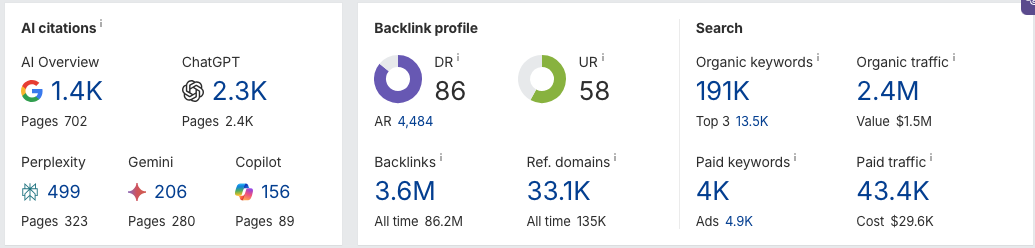
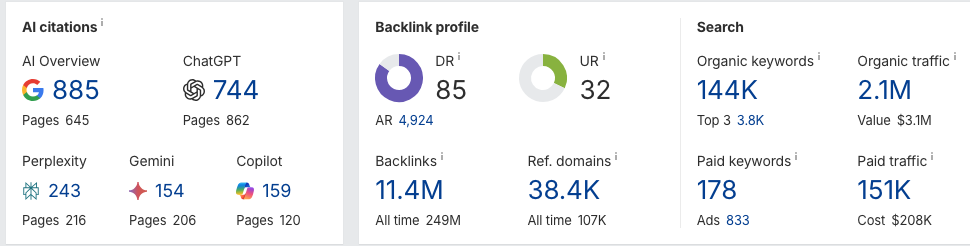
As an agency, we have worked with two very large players in crypto, helping to scale-up their authority, organic traffic and revenue.
Because we maintain high levels of confidentiality with the majority of our clients (most don't want to give away the secret sauce), these screenshots are offered blindly.
However, further details, including the client names and our strategies, can be made available upon request.
Ok, enough bragging. Back to the report!
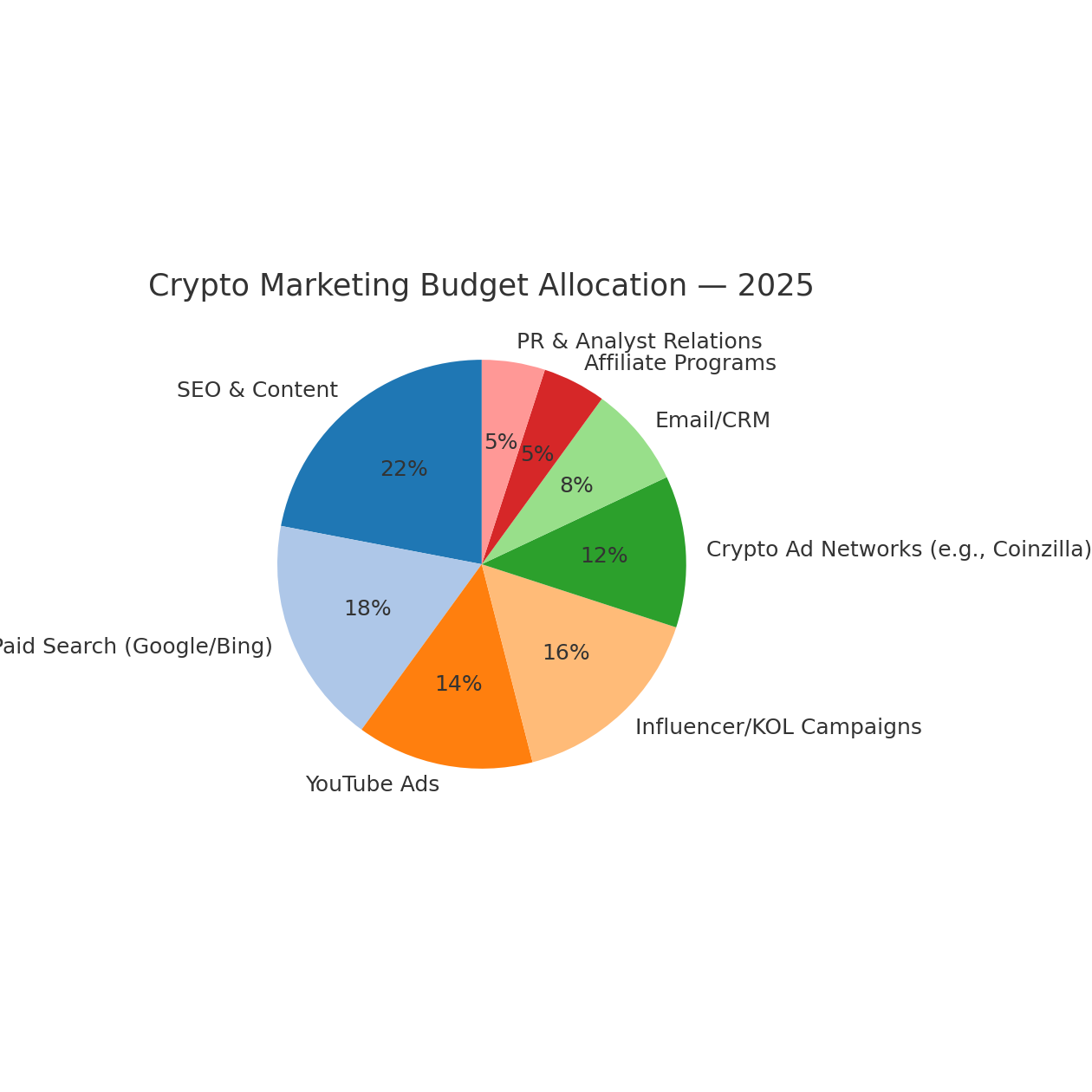
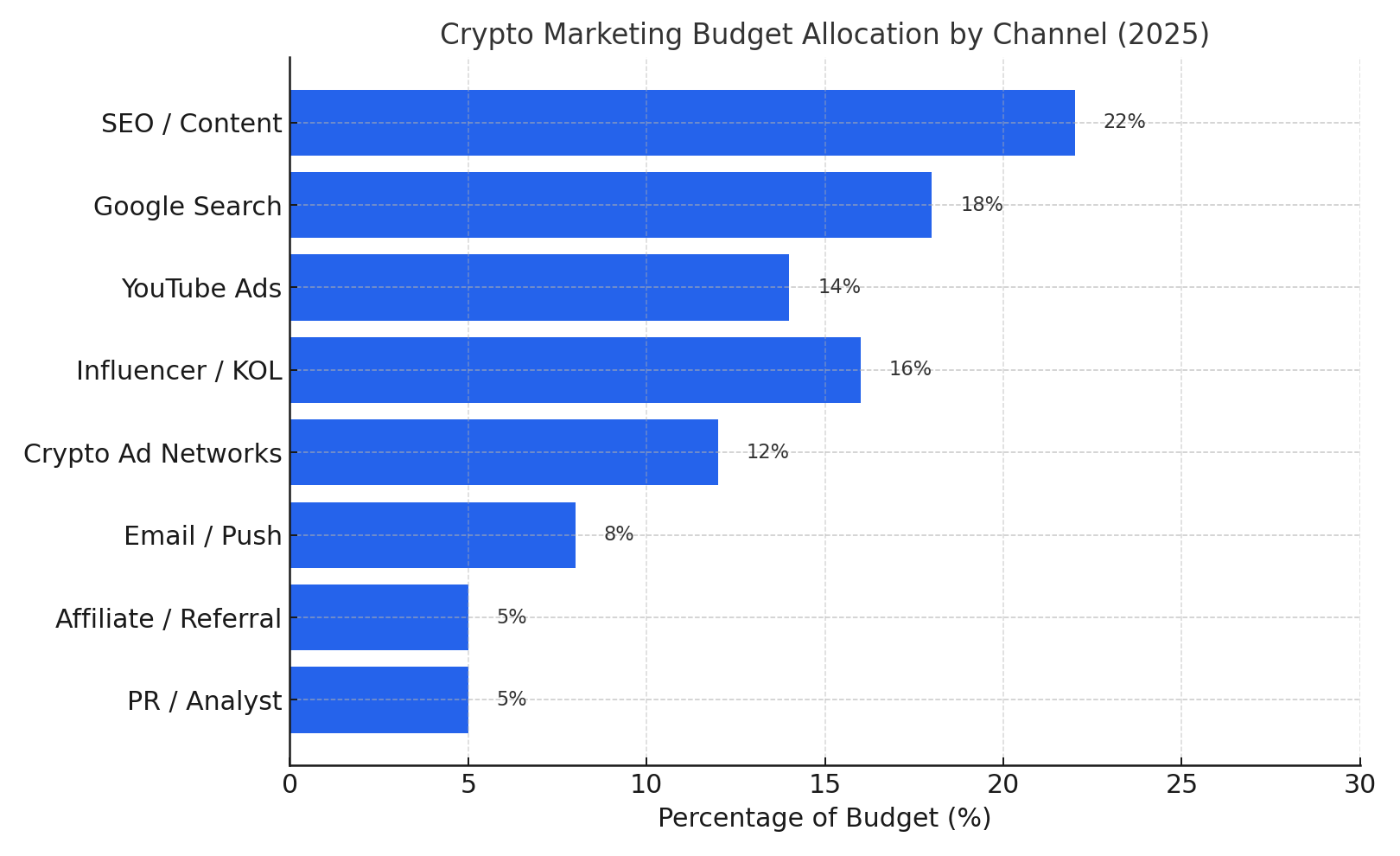
The chart below reflects a modeled breakdown of Web3 marketing budget allocation for 2025, based on aggregated data from crypto-native media networks, performance benchmarks from Web3 marketing agencies, and adjusted global digital ad spend trends. While exact splits vary by company maturity and jurisdiction, the pattern is clear:
Search, content, and KOL-led education now dominate acquisition strategy, while compliant display ads (on crypto ad networks like Coinzilla and Cointraffic) provide cost-efficient reach. Lifecycle channels like email/CRM and affiliates remain underutilized, especially among early-stage Web3 projects.
This model reflects a hybrid funnel reality—where both institutional capital and retail community users must be educated, converted, and retained under increasing regulatory scrutiny.
Because crypto is a hybrid industry—serving both retail consumers and institutional buyers—successful GTM strategies must segment audiences with radically different intents, risk tolerances, and onboarding expectations.
Creative/UX must branch based on compliance level and sophistication. Retail users want simplicity and social proof. Institutions want risk disclosures, whitepapers, and cost structure clarity.
Crypto marketers in 2025 are navigating a channel ecosystem that’s part regulated, part renegade. While traditional channels like Google Search and YouTube now allow crypto advertising (with certification), others—like TikTok and Meta—remain regionally restricted or algorithmically volatile. Crypto-native ad networks (e.g., Coinzilla, Cointraffic) are seeing renewed adoption due to cost efficiency and DeFi reach.
Here’s a performance matrix comparing major paid and organic channels used across retail and institutional crypto funnels:
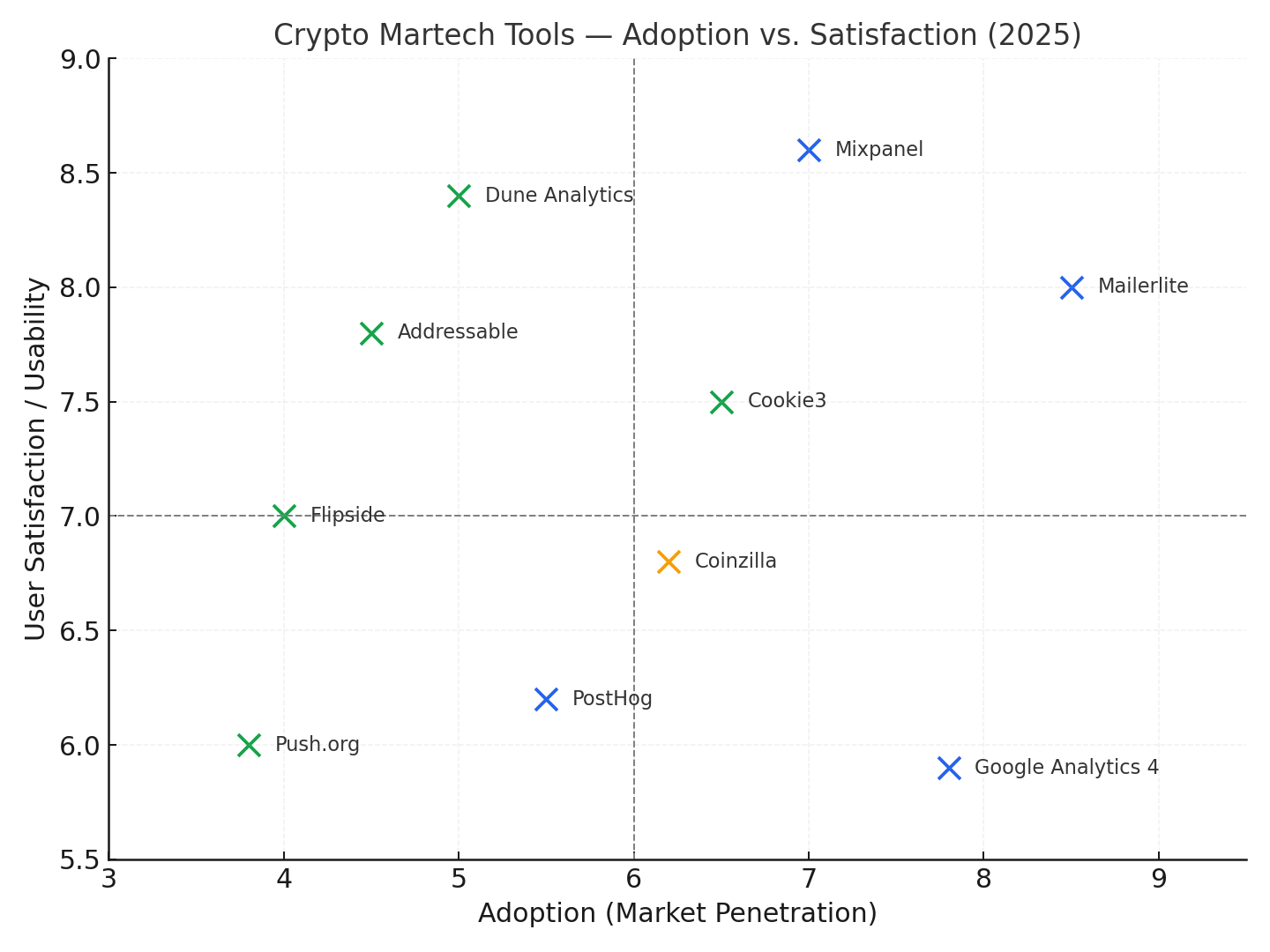
As crypto teams mature, they’re building more resilient and compliant marketing infrastructure. From CDPs that handle pseudonymous wallet behavior, to crypto-friendly CRMs and analytics stacks, the martech ecosystem in Web3 is quickly bifurcating into:
In crypto marketing, creative strategy is now inseparable from compliance, clarity, and community alignment. Gone are the days of hype-heavy slogans and meme-only landing pages—especially for brands operating in regulated markets or targeting institutional users.
Instead, leading Web3 teams are adopting a trust-first creative framework:
In 2024–2025, the highest-performing campaigns in crypto weren’t necessarily the flashiest—they were the ones that blended regulated reach, creator trust, UX simplicity, and regional localization. Below are three standout campaigns across different Web3 segments.
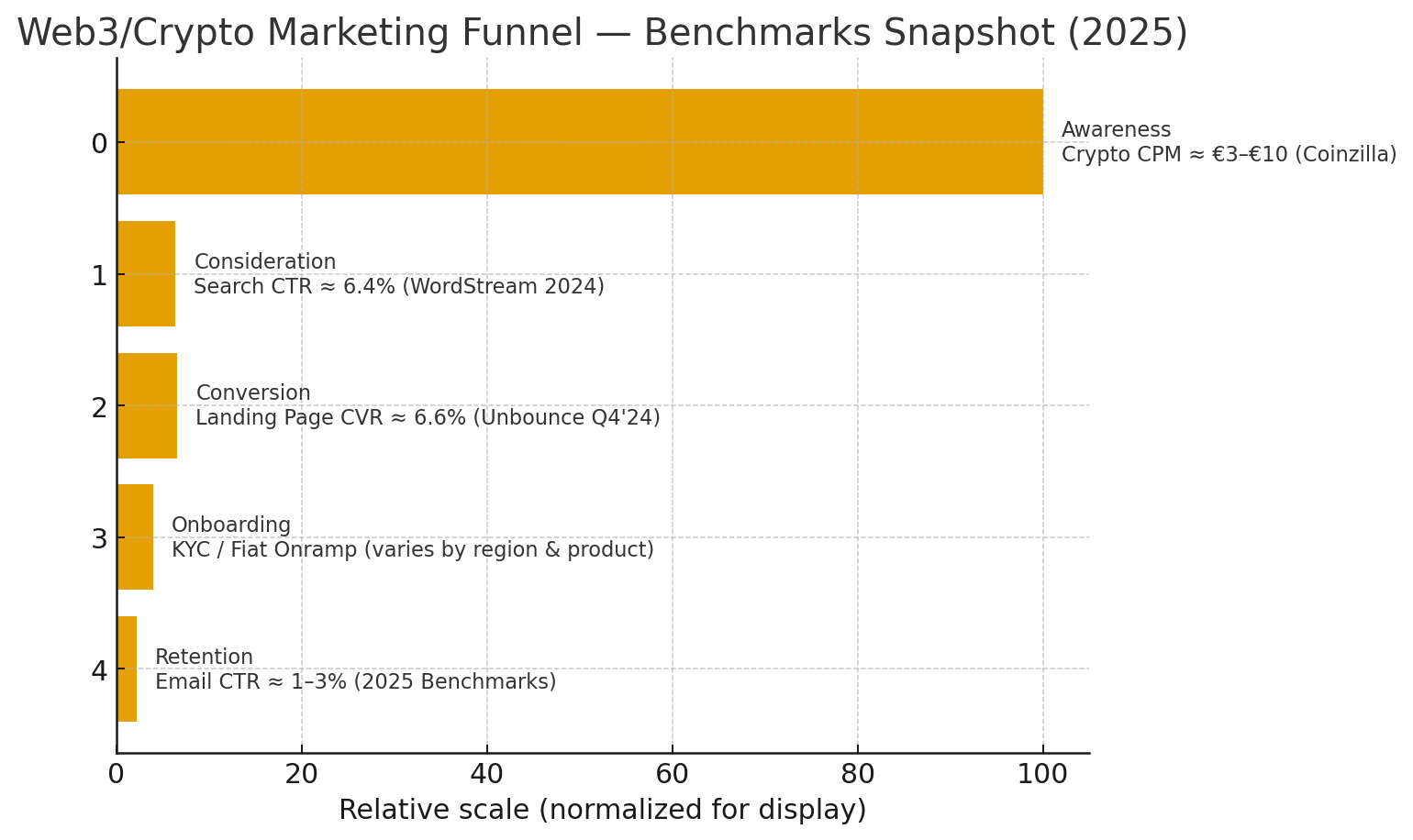
How to read this: The funnel below is a benchmarks snapshot that pairs a visual with sourced, paste‑friendly stats. Values are normalized for display (not absolute). Use the cited ranges to calibrate against your own data.
Where teams lose the most users:
Crypto marketers in 2025 are navigating a dual reality:
Below is a quadrant highlighting the highest-impact risks and emerging opportunities for growth teams in crypto and Web3.
Below are practical playbooks by company maturity and a Webflow‑ready 3×3 strategy matrix (Channel × Tactic × Goal). Tactics reflect the hybrid nature of crypto (institutional + retail) and the realities of certification, compliance, and community.
A) Early / Launch (exchanges, wallets, protocols pre‑PMF)
B) Growth / Scale (regional PMF, multi‑asset products)
C) Enterprise / Global (custody, ETFs, RWA/tokenization)
How to use: Pick 1–2 tactics per cell for this quarter. Reallocate 10–20% of spend toward the best performers each Q.
With spot Bitcoin ETFs approved, MiCA regulation enforced, and SEC/CFTC positioning stabilizing, crypto marketing is moving into a compliance-first, asset-backed phase. Creative must reflect this:
Prediction: By 2026, 50%+ of high-performing campaigns will mention licensing, audit, or ETF alignment in ad copy or landing pages.
As cookies continue to decline and wallet-hopping remains rampant, attribution and lifecycle engagement will be powered by:
Prediction: By late 2026, 70%+ of advanced Web3 brands will be running AI-personalized lifecycle campaigns tied to wallet cohorts, not CRM emails.
Post-KYC drop-off is still the biggest leak in most crypto funnels. We expect an increase in:
Prediction: The most effective retail crypto apps will lead with “your custody, your choice” narratives.
As Web3 globalizes, regional compliance (e.g., MiCA in EU, MAS in Singapore, SEC exemptions in U.S.) will dictate media allocation:
Prediction: By 2027, most exchanges will run country-specific LPs + asset/feature toggles by IP or device locale.
You’re free to excerpt tables/graphics in marketing materials with credit:
“Source: Marketer.co, Web3/Crypto Marketing Report 2025 (compiled from public data and modeled benchmarks).”

%201.svg)


Cryptocurrency digital marketing has re-entered a high-stakes, high-visibility phase. With the global market cap pushing toward $4 trillion and institutional flows increasing via spot Bitcoin ETFs—now holding $145 billion in AUM as of August 2025 ([Bitbo])—crypto brands are seeing stronger upper-funnel momentum across both retail and institutional segments.
However, despite surging adoption, public confidence remains mixed. Only 17% of U.S. adults report having invested or used crypto, and 63% still say they’re not confident in its safety or reliability ([Pew Research]). For marketers, this means education, proof, and transparency are more important than ever—especially in creative messaging and funnel UX.
Cryptocurrency digital marketing in 2025 blends privacy‑safe measurement, KYC‑aware funnel design, and region‑specific compliance (e.g., MiCA, SEC) with community‑led growth. For exchanges, wallets, and L2 ecosystems, the winning mix pairs certified search + SEO compounding with Telegram/Discord activation, authentic KOLs, and lifecycle programs that drive first deposit/trade—and 30‑day active use.
Meanwhile, Google Ads policy updates now allow crypto Search and YouTube campaigns in multiple regions—including the U.S. and Canada—but only with certification and jurisdictional compliance. As a result, top-performing strategies in 2025 center around regulated acquisition channels (Search + SEO), plain-English landing pages, and crypto-native media buys (e.g., Coinzilla, Cointraffic) where display CPMs remain efficient (~€3–€10) ([Coinzilla]).
Institutional buyers—particularly those in the ETF, custody, and hedge fund space—are also significantly increasing their exposure, with 83% planning to grow digital asset allocations in 2025 ([EY–Coinbase Survey]). For retail-facing brands, that validation acts as social proof. Campaigns referencing regulated products like ETFs or [MiCA-licensed platforms] are outperforming “moonshot” messaging.
But, before we dive into the juicy data, we are going to toot our own horn a bit.
As an agency, we have worked with two very large players in crypto, helping to scale-up their authority, organic traffic and revenue.
Because we maintain high levels of confidentiality with the majority of our clients (most don't want to give away the secret sauce), these screenshots are offered blindly.
However, further details, including the client names and our strategies, can be made available upon request.
Ok, enough bragging. Back to the report!
The chart below reflects a modeled breakdown of Web3 marketing budget allocation for 2025, based on aggregated data from crypto-native media networks, performance benchmarks from Web3 marketing agencies, and adjusted global digital ad spend trends. While exact splits vary by company maturity and jurisdiction, the pattern is clear:
Search, content, and KOL-led education now dominate acquisition strategy, while compliant display ads (on crypto ad networks like Coinzilla and Cointraffic) provide cost-efficient reach. Lifecycle channels like email/CRM and affiliates remain underutilized, especially among early-stage Web3 projects.
This model reflects a hybrid funnel reality—where both institutional capital and retail community users must be educated, converted, and retained under increasing regulatory scrutiny.
Because crypto is a hybrid industry—serving both retail consumers and institutional buyers—successful GTM strategies must segment audiences with radically different intents, risk tolerances, and onboarding expectations.
Creative/UX must branch based on compliance level and sophistication. Retail users want simplicity and social proof. Institutions want risk disclosures, whitepapers, and cost structure clarity.
Crypto marketers in 2025 are navigating a channel ecosystem that’s part regulated, part renegade. While traditional channels like Google Search and YouTube now allow crypto advertising (with certification), others—like TikTok and Meta—remain regionally restricted or algorithmically volatile. Crypto-native ad networks (e.g., Coinzilla, Cointraffic) are seeing renewed adoption due to cost efficiency and DeFi reach.
Here’s a performance matrix comparing major paid and organic channels used across retail and institutional crypto funnels:
As crypto teams mature, they’re building more resilient and compliant marketing infrastructure. From CDPs that handle pseudonymous wallet behavior, to crypto-friendly CRMs and analytics stacks, the martech ecosystem in Web3 is quickly bifurcating into:
In crypto marketing, creative strategy is now inseparable from compliance, clarity, and community alignment. Gone are the days of hype-heavy slogans and meme-only landing pages—especially for brands operating in regulated markets or targeting institutional users.
Instead, leading Web3 teams are adopting a trust-first creative framework:
In 2024–2025, the highest-performing campaigns in crypto weren’t necessarily the flashiest—they were the ones that blended regulated reach, creator trust, UX simplicity, and regional localization. Below are three standout campaigns across different Web3 segments.
How to read this: The funnel below is a benchmarks snapshot that pairs a visual with sourced, paste‑friendly stats. Values are normalized for display (not absolute). Use the cited ranges to calibrate against your own data.
Where teams lose the most users:
Crypto marketers in 2025 are navigating a dual reality:
Below is a quadrant highlighting the highest-impact risks and emerging opportunities for growth teams in crypto and Web3.
Below are practical playbooks by company maturity and a Webflow‑ready 3×3 strategy matrix (Channel × Tactic × Goal). Tactics reflect the hybrid nature of crypto (institutional + retail) and the realities of certification, compliance, and community.
A) Early / Launch (exchanges, wallets, protocols pre‑PMF)
B) Growth / Scale (regional PMF, multi‑asset products)
C) Enterprise / Global (custody, ETFs, RWA/tokenization)
How to use: Pick 1–2 tactics per cell for this quarter. Reallocate 10–20% of spend toward the best performers each Q.
With spot Bitcoin ETFs approved, MiCA regulation enforced, and SEC/CFTC positioning stabilizing, crypto marketing is moving into a compliance-first, asset-backed phase. Creative must reflect this:
Prediction: By 2026, 50%+ of high-performing campaigns will mention licensing, audit, or ETF alignment in ad copy or landing pages.
As cookies continue to decline and wallet-hopping remains rampant, attribution and lifecycle engagement will be powered by:
Prediction: By late 2026, 70%+ of advanced Web3 brands will be running AI-personalized lifecycle campaigns tied to wallet cohorts, not CRM emails.
Post-KYC drop-off is still the biggest leak in most crypto funnels. We expect an increase in:
Prediction: The most effective retail crypto apps will lead with “your custody, your choice” narratives.
As Web3 globalizes, regional compliance (e.g., MiCA in EU, MAS in Singapore, SEC exemptions in U.S.) will dictate media allocation:
Prediction: By 2027, most exchanges will run country-specific LPs + asset/feature toggles by IP or device locale.
You’re free to excerpt tables/graphics in marketing materials with credit:
“Source: Marketer.co, Web3/Crypto Marketing Report 2025 (compiled from public data and modeled benchmarks).”

.svg)


.png)